Whispering Rails
The
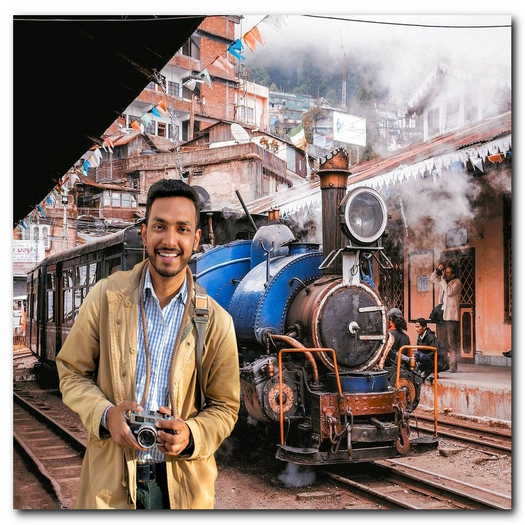
Darjeeling Himalayan Railway, a marvel of
engineering, snakes its way through the
hills, clinging to the steep mountain
slopes as it winds its way toward
the famous hill station of Darjeeling. The
narrow-gauge tracks, only two feet wide,
carries the little train up the climb, a feat that had
inspired travellers for over a
century. For generations, the railway had
been the lifeblood of the region, connecting
the remote tea estates and hill villages to
the bustling plains below. In the small town
of Kurseong, nestled halfway up the line,
there lived a man named Anil Rai. He was a
locomotive driver, a respected figure in the
community and a man whose
Anil’s
father had been a driver before him and his
father before that, each generation taking
pride in guiding the little train up the
steep gradients and around the hairpin bends
that defined the route. Anil’s son, Rohan,
was now of an age where his future was being
quietly discussed by the elders of the
family. Rohan had grown up with the sound of
steam whistles and the rhythmic clatter of
wheels on rails as his lullabies. He knew
every inch of the line, every curve and
incline, every village and tea estate along
the way. But Rohan was different from his
father and grandfather in one important way
his heart was torn between the legacy of the
railway, a desire to explore the world
beyond the mountains and his love of photography.
The day
Rohan turned twenty, Anil took him to the
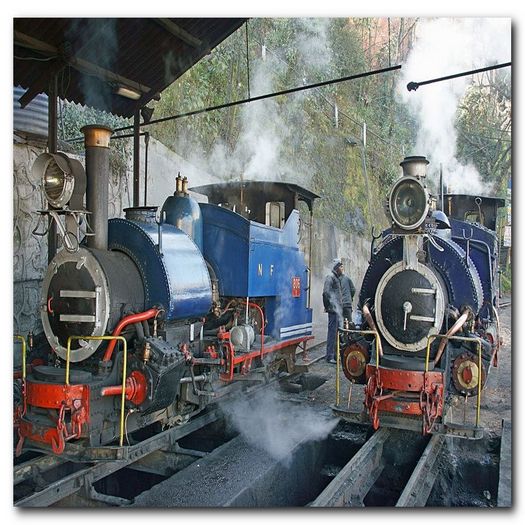
engine shed, a rite of passage for the men
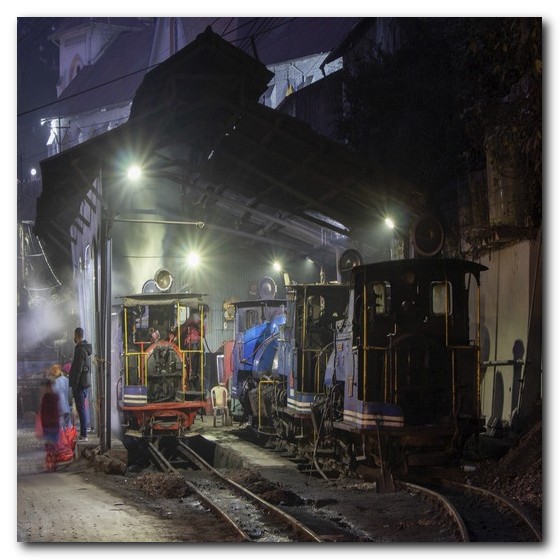
in their family. The shed was a cathedral of
iron and steel, where the engines rested
between their gruelling journeys, steam
rising gently from their boilers as they
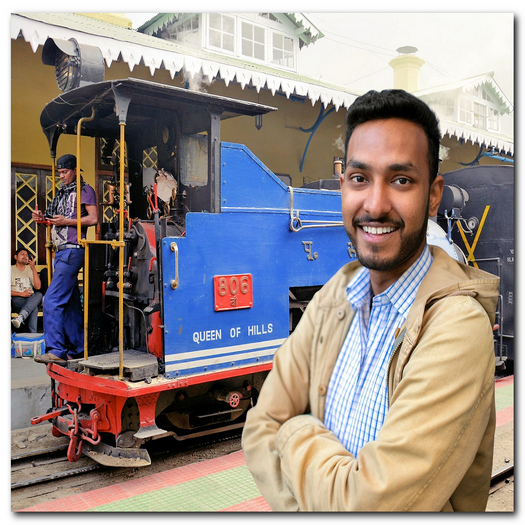
cooled. Anil led Rohan to an engine that
gleamed with fresh paint, a mighty machine
named “Queen of the Hills.” It was the pride
of the Darjeeling line, the engine that had
carried tourists, tea and the hopes of the
region for decades. “She’s beautiful, isn’t
she?” Anil said, his voice filled with
reverence. Rohan nodded, running his hand
along the smooth metal, feeling the power
and history beneath his fingertips.
“Yes,
she is,” he replied softly, though his
thoughts were far away, drifting beyond the
mountains, to the plains and cities he had
never seen. Anil noticed the distant look in
his son’s eyes and placed a hand on his
shoulder. “The railway is in our blood,
Rohan. It’s more than just a job, it’s a
calling. This engine, this line, it’s our
family’s legacy. One day, you’ll take the
controls and carry on that tradition.” Rohan
looked at his father, seeing the pride and
expectation in his eyes. “I know, Baba. But
what if I want to do something different?
What if I want to see what’s beyond these
mountains?” Anil’s face softened
and he
sighed deeply. “I understand, Rohan. I felt
the same way when I was your age. But this
railway, it has a way of calling you back.
The
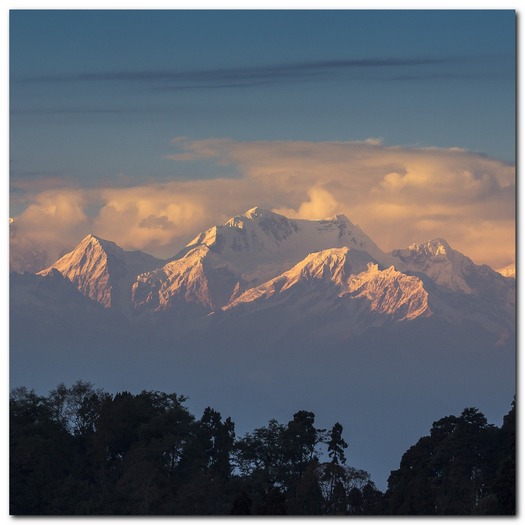
mountains, the people, they need us. We’re the
ones who keep them connected to the world.” Rohan
didn’t know how to respond. He loved his father
and respected the family tradition, but the
thought of spending his entire life on the same
tracks, seeing the same landscapes day after day,
filled him with a deep restlessness. He wanted to
see the world, to experience life beyond the
familiar confines of the hills. That night, Rohan
lay in bed, listening to the distant whistles of
the trains as they made their way through the
darkness. He felt torn between the duty to his
family and the yearning for something more. As he
drifted off to sleep, he wondered if it was
possible to honour the past while still forging
his own path into the future.
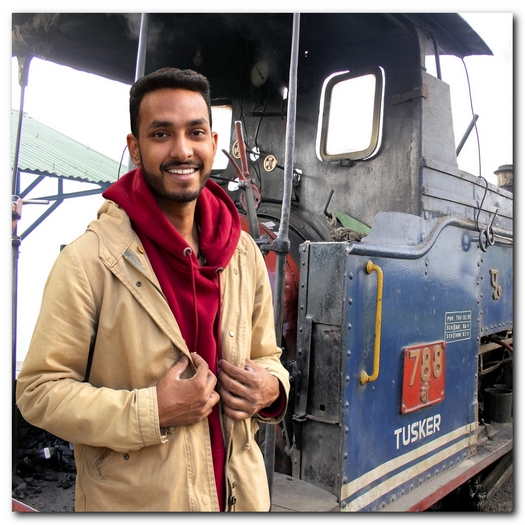
A few weeks
later, Rohan found himself in the cab of the
“Queen of the Hills,” seated next to his father.
The engine hissed and puffed as steam escaped
from its valves, and the fireman stoked the
fire, feeding the hungry boiler with shovelfuls
of coal. Rohan had helped his father prepare the
engine for the journey, but today was different,
today, he would be learning to drive. Anil
watched his son closely as they pulled out of
the Kurseong station, the train’s wheels
churning slowly as it gained momentum. “Take the
throttle,” Anil instructed, his voice calm but
firm. Rohan hesitated for a moment before
reaching out to grasp the lever. As he eased it
forward, he felt the engine respond beneath him,
its power surging through the steel and iron.
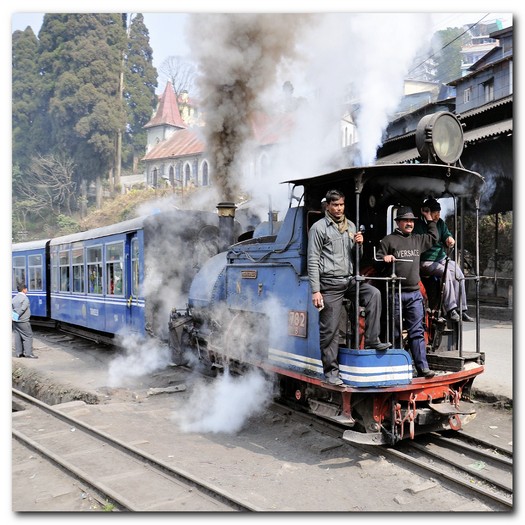
It began
to pick up speed and Rohan could feel the
vibrations in his bones, the rumble of the
tracks resonating with the pulse of the
locomotive. The journey from Kurseong to
Darjeeling was only about thirty kilometres, but
it was one of the most challenging stretches of
the line. The track climbed steeply, twisting
and turning as it followed the contours of the
mountains. The sharp curves and steep gradients
required skill and experience to navigate, and
Anil was determined to teach Rohan everything he
knew. “Watch the speed as we approach the loop,”
Anil instructed, pointing ahead to the famous
Batasia Loop, where the track doubled back on
itself to gain height.
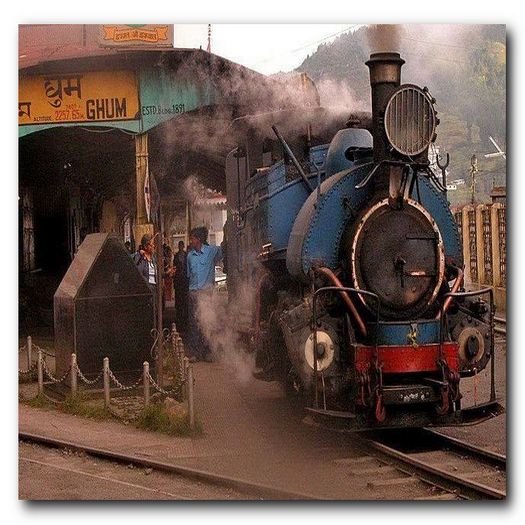
“You
need
to slow down before we enter, then ease up as we
come out.” Rohan nodded, focusing intently on
the controls. He eased back on the throttle,
feeling the train slow as it approached the
loop. The track curved sharply
and for a moment, Rohan could see the
rest of the train behind them, the carriages
following the engine like a snake coiled on the
mountainside. As they came out of the loop, Anil
smiled. “Good job, Rohan. You’ve got a feel for
it.” Rohan grinned, a sense of accomplishment
swelling in his chest. Despite his reservations,
he couldn’t deny the thrill of controlling the
powerful machine, of guiding it through the
challenging terrain. For a moment, he understood
why his father and grandfather had devoted their
lives to the railway.
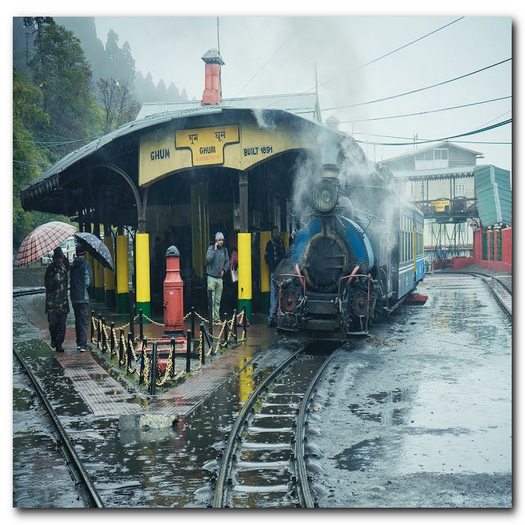
As they continued their ascent, the mist thickened, enveloping the train in a ghostly shroud. The world outside the cab windows became a blur of grey and Rohan felt a shiver of unease. The mountain was beautiful, but it could also be unforgiving. “Keep an eye on the gauges,” Anil warned. “The weather can change quickly up here. You have to be ready for anything.” Rohan nodded, his eyes darting between the gauges and the track ahead. The mist was growing thicker and visibility was almost non-existent. The train slowed as they climbed higher, the engine labouring under the strain. Suddenly, the whistle of another train pierced the fog, startling Rohan. He glanced at his father, who was frowning.
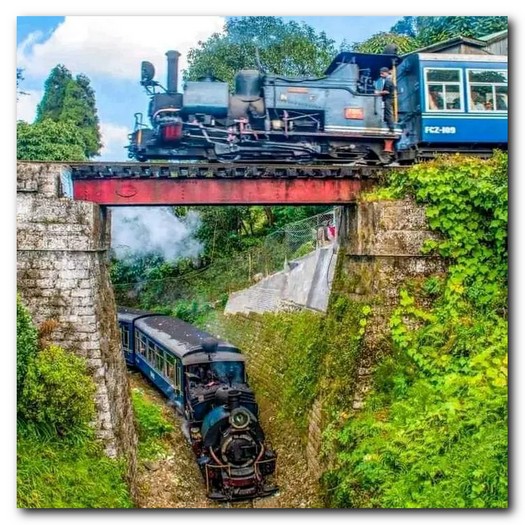
“That’s the
down train,” Anil said, his voice tense.
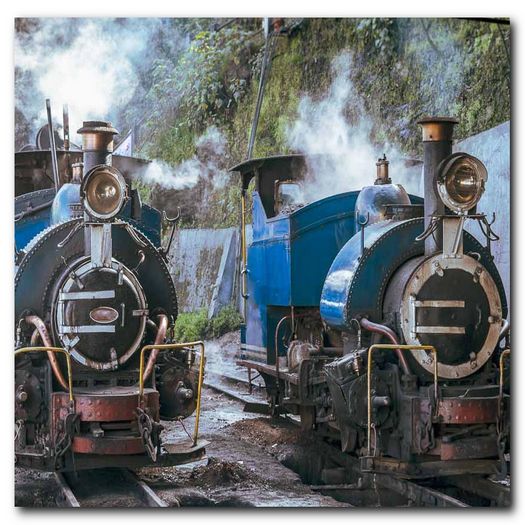
The two trains
passed each other with inches to spare, the
sound of their whistles echoing through the fog.
Rohan exhaled in relief as they resumed their
journey, the near miss a stark reminder of the
dangers of the mountain railway. He glanced at
his father, who was calmly steering the train
through the mist, his expression unreadable.
“You did well,” Anil said after a long silence.
“But remember, the mountain doesn’t forgive
mistakes. You have to respect it, always.” Rohan
nodded, the gravity of his father’s words
sinking in. The railway was more than just a
job, it was a responsibility, one that required
skill, patience and a deep respect for the
forces of nature.
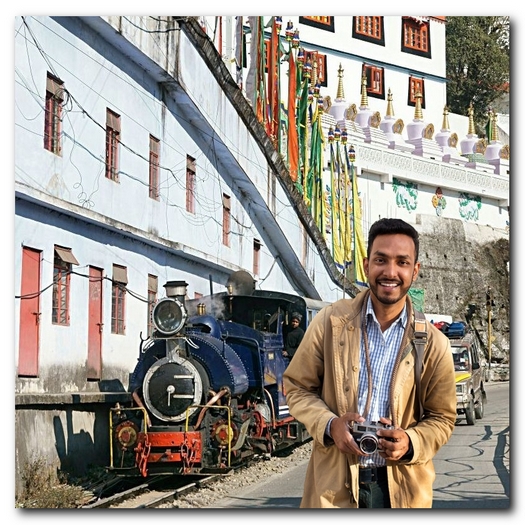
Rohan felt
a sense of pride in completing the journey, but
also a renewed sense of uncertainty about his
future. The railway was in his blood, but so was
the yearning for something more. Over the
following months, Rohan continued to train under
his father’s watchful eye. He learned the
intricacies of the engine, the quirks of the
line and the rhythms of the mountain. He became
more confident with each journey, earning the
respect of the other railway workers and the
admiration of the villagers along the route. But
despite his growing proficiency, Rohan’s
restlessness persisted. The narrow confines of
the cab, the repetitive routes and the constant
presence of the mountains began to feel
suffocating.
He longed
to explore new horizons, to see what lay beyond
the familiar landscapes of his childhood. One
evening, as the sun set behind the mountains,
casting long shadows across the railway tracks,
Rohan found himself walking along the platform
of the Kurseong station. The trains were silent
now, resting for the night, their engines
cooling in the gathering darkness. He stopped
at the end of the platform, staring out at the
distant lights of the plains below. The cities,
the plains, the world beyond the mountains,
they
called to him, a siren song that grew louder
with each passing day. Rohan’s thoughts were
interrupted by the sound of footsteps behind
him.
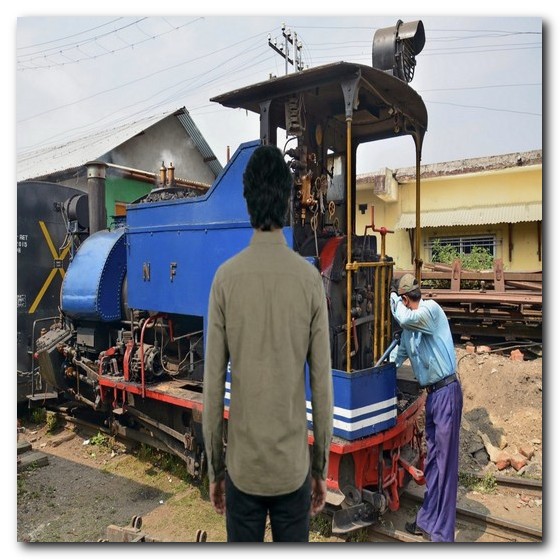
“Rohan,” he said quietly, “I’ve noticed
you’ve been distracted lately. Is everything all
right?” Rohan hesitated, unsure of how to
express the conflict within him. Finally, he
spoke, his voice tinged with frustration. “Baba,
I love the railway, I really do. But I can’t
shake this feeling that there’s more out there
for me. I want to see the world, to experience
life beyond these mountains.” Anil listened in
silence; his expression unreadable. When Rohan
finished, his father sighed deeply, looking out
at the horizon. “I understand, Rohan,” Anil said
softly. “I had those same feelings when I was
your age. I wanted to see the world, to leave
the mountains behind. But when my father passed
away, I had to take over. The railway needed me
and so did our family.
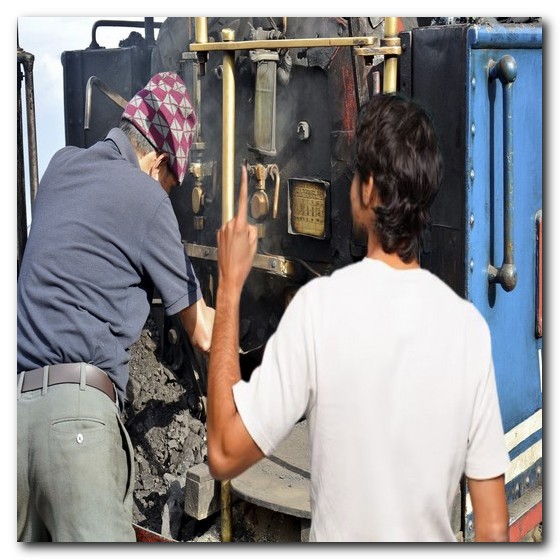
I stayed and in time, I grew to love
this life.” Rohan looked at his father,
surprised by the admission. “But do you regret
it, Baba? Do you ever wish you had left?” Anil
was silent for a moment, considering his words.
“There are times when I wonder what might have
been,” he admitted. “But I don’t regret staying.
This railway, this place, it’s a part of me.
I’ve built a life here, raised a family and
served a purpose greater than myself.” Rohan
felt a pang of guilt at his father’s words. He
knew how much the railway meant to Anil, how
deeply it was ingrained in their family’s
identity. But the longing within him was too
strong to ignore. “I don’t know if I can stay,
Baba,” Rohan said quietly, his voice trembling.
“I feel like I’m being pulled in two directions.
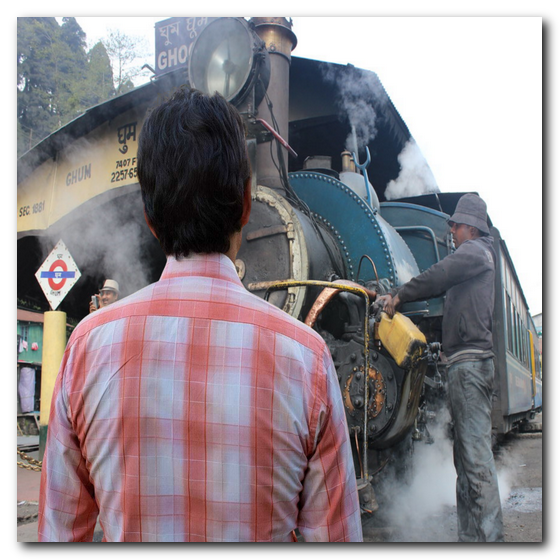
I want to honour our family’s
legacy, but I also want to forge my own path.”
Anil nodded slowly; his expression thoughtful.
“You’re at a crossroads, Rohan. It’s a difficult
place to be. But whatever path you choose, it
has to be your decision. No one else can make it
for you.” Rohan looked into his father’s eyes,
seeing the love and wisdom there. He felt a
surge of emotion, torn between his desire for
freedom and his loyalty to his family. “Whatever
you decide,” Anil continued, “I’ll support you.
But remember, once you make a choice, you have
to live with it. There’s no going back.” Rohan
swallowed hard, the weight of the decision
pressing down on him. He knew his father was
right, whatever path he chose, it would shape
the rest of his life.
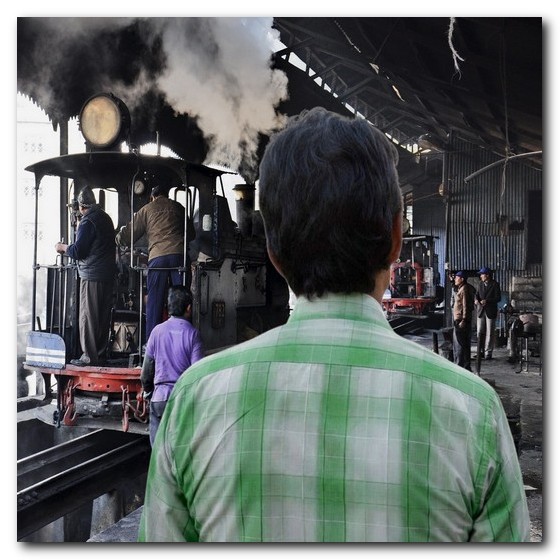
As the night deepened, father and
son stood together in silence, the distant
whistle of a train echoing through the
mountains. The railway, the mountains, the world
beyond, they were all a part of Rohan’s journey.
But only he could decide where that journey
would take him. The following days were a
whirlwind of emotions for Rohan. He spent his
time alternating between the cab of the
locomotive and the solitude of the mountain
trails, trying to reconcile the two conflicting
desires within him. The familiar rhythm of the
railway offered comfort, but the pull of the
unknown remained strong. One afternoon, as Rohan
was preparing the engine, a letter arrived for
him.
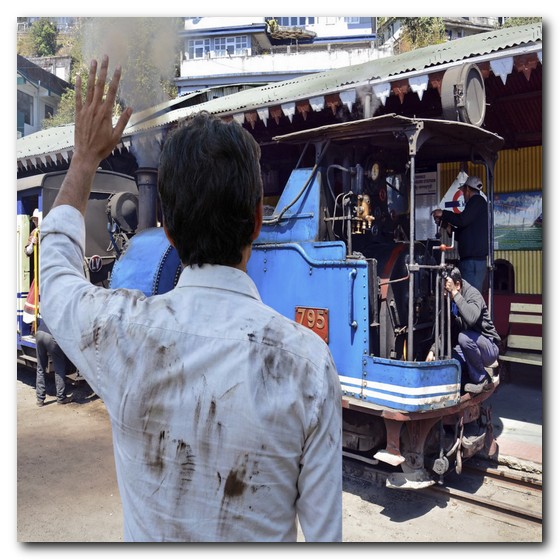
His hands trembled as he opened
the envelope, revealing the letter of acceptance
inside. Rohan stared at the letter, his heart
pounding. This was his chance, his opportunity
to leave the mountains and pursue a different
future. But the thought of leaving his father,
the railway and everything he had ever known
filled him with a deep sense of unease. That
evening, Rohan found his father in the engine
shed, inspecting the “Queen of the Hills” as she
rested between runs. The engine’s brass fittings
gleamed in the fading light, a symbol of the
enduring legacy of the Darjeeling Himalayan
Railway. “Baba,” Rohan began, holding out the
letter. “I received this today.” Anil took the
letter and read it silently, his face betraying
no emotion.
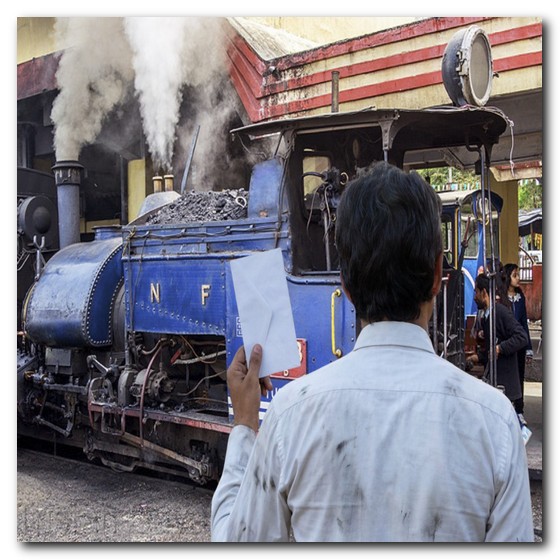
When he finished, he handed it back to
Rohan, his expression calm but serious. “This is
what you want, isn’t it?” Anil asked, his voice
steady. Rohan hesitated, the weight of the
decision pressing down on him. “I think so,” he
replied slowly. “But I’m scared, Baba. I don’t
want to disappoint you, or leave you alone
here.” Anil smiled faintly, placing a hand on
his son’s shoulder. “You won’t disappoint me,
Rohan. I want you to follow your heart, to do
what feels right for you. The railway will
always be here, but you only get one chance to
live your life.” Rohan felt a lump in his
throat, overwhelmed by his father’s support.
“But what about you, Baba? I don’t want to leave
you with all the responsibilities.” Anil shook
his head.
“I’ve been preparing for this day,
Rohan. I knew that one day you might choose a
different path and I’m ready for it. The railway
will go on, and so will I. But you have to find
your own way, just as I did.” Rohan nodded,
tears welling in his eyes. He knew that his
father was right, that he couldn’t live his life
out of fear or obligation. The world was waiting
for him, and it was time to take that step. The
next morning, Rohan packed his bags and prepared
to leave for Kolkata. The sun was just rising,
casting a golden glow over the mountains and the
railway tracks. The “Queen of the Hills” stood
ready in the engine shed, her steam rising in
the cool morning air. Before he left, Rohan
walked down to the station one last time, where
his father was waiting for him.
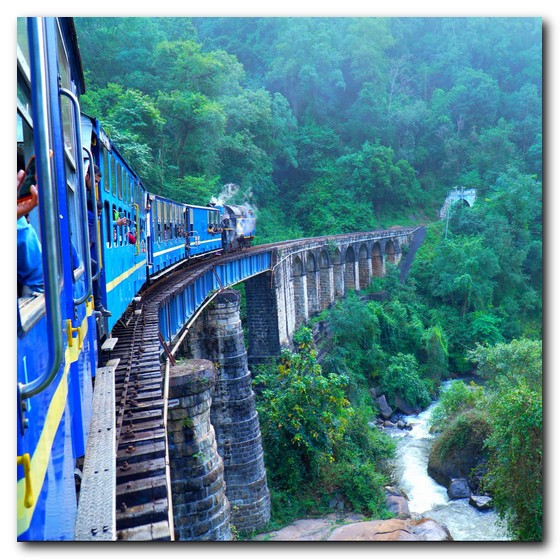
They stood together in silence,
the weight of the moment heavy between them.
“Take care of yourself, Rohan,” Anil said
quietly, pulling his son into a tight embrace.
“I will, Baba,” Rohan replied, his voice choked
with emotion. “Thank you for everything.” They
parted, and Rohan boarded the train that would
take him down to the plains, and from there to
Kolkata. As the train pulled out of the station,
Rohan looked back at the mountains, at the
railway, and at his father, standing alone on
the platform. He knew that this was the
beginning of a new journey, one that would take
him far from the familiar tracks of his
childhood. But no matter where life took him, he
would always carry the spirit of the Darjeeling
Himalayan Railway with him.
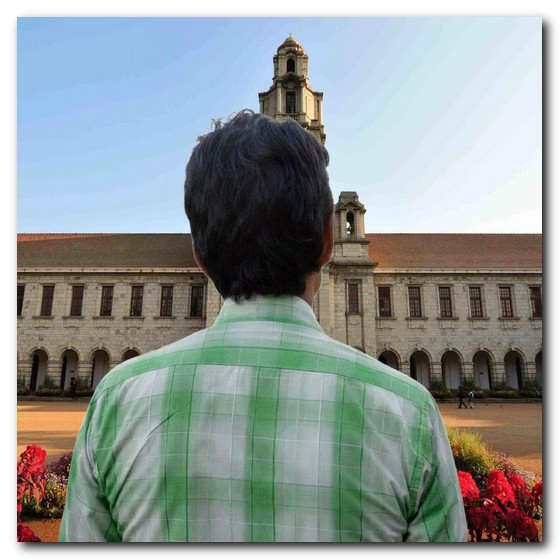
A connection to his past that
would guide him into the future. As the train
descended into the mist, Rohan felt a mix of
excitement and sadness, the thrill of the
unknown tempered by the weight of the farewell.
But he knew that he was on the right path and
that wherever he went, the mountains and the
railway would always be a part of him. Years
passed, and his life took him far from the
mountains of Darjeeling. He excelled in his
studies, becoming an engineer and traveling the
world, working on railways and projects that
took him to places he had once only dreamed of.
But no matter where he went, he never forgot his
roots. The lessons he had learned from his
father, the love for the railway and the
mountains stayed with him, guiding him in his
career and life.
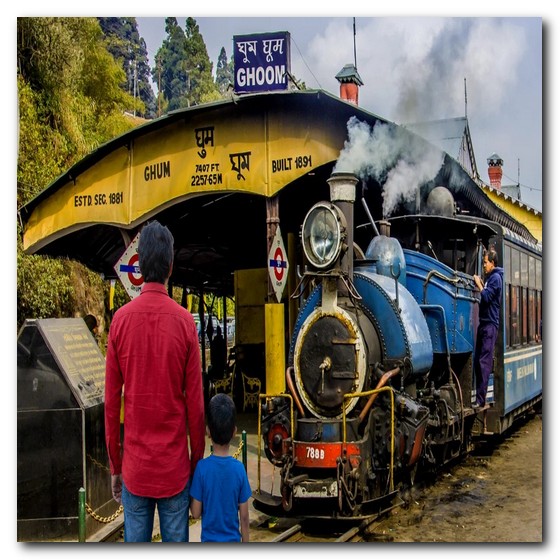
Every year, Rohan returned to
Darjeeling, to the place where his journey had
begun. The “Queen of the Hills” still ran on the
Darjeeling Himalayan Railway, her whistle
echoing through the mountains as she carried
tourists and locals alike. Anil continued to
work on the railway, his pride in his son’s
achievements evident to all who knew him. He was
content in the knowledge that Rohan had found
his own path, and that the legacy of the railway
would continue in new ways. One summer, Rohan
brought his own son, little Arjun, to the
mountains. As they stood on the platform at
Kurseong station, watching the “Queen of the
Hills” steam past, Rohan felt a deep sense of
connection, a circle of life that had come full
circle.
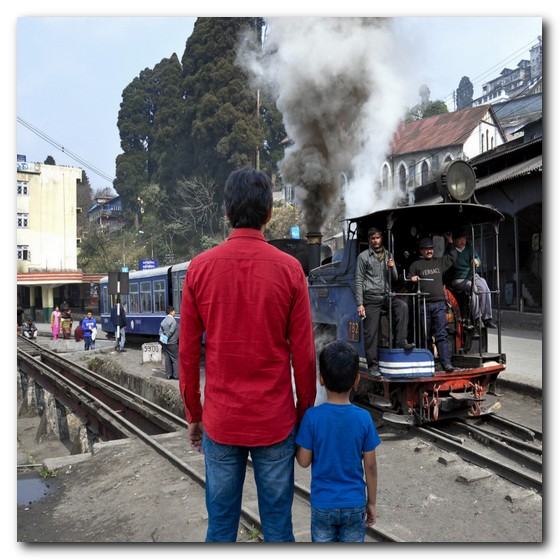
“Look, Arjun,” Rohan said, lifting his son onto his shoulders. “This is where your grandfather and I worked, where our family’s story began.” Arjun’s eyes widened as he watched the train disappear into the distance, the sound of the whistle fading. “Will I drive a train one day, Papa?” Arjun asked, his voice filled with wonder. Rohan smiled, his heart swelling with pride and nostalgia. “Maybe, Arjun. Or maybe you’ll find your own path, just like I did. Whatever you choose, remember that you’re a part of this legacy, a part of this railway and these mountains.” As they stood together, watching the sun set over the Himalayas. He knew that the spirit of the Darjeeling Himalayan Railway would continue to live on, in the hearts and minds of future generations.
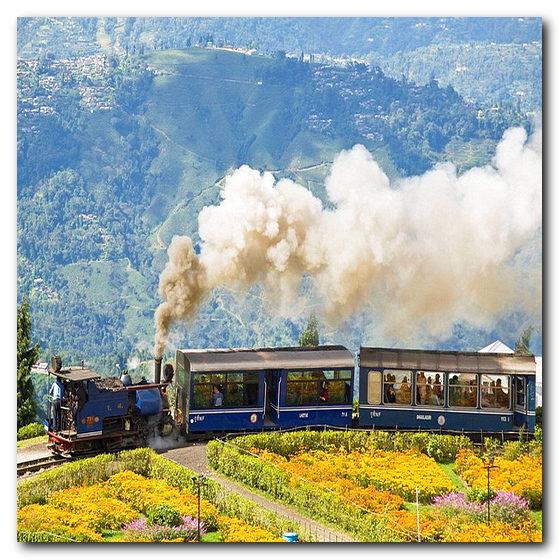
The railway
was more than just steel and steam it was a
thread that connected the past, present and
future, a journey that would never truly end.